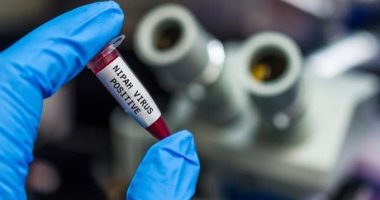
Oxford University Scientists Test the World’s First Vaccine for the Nipah Virus, Similar to COVID-19
The Independent newspaper revealed that scientists have begun testing the world’s first vaccine against the Nipah virus, using the same technology that was employed in developing the Oxford COVID-19 vaccine. The researchers aim to assess whether this new vaccine is safe and effective.
The Oxford scientists are evaluating whether the same technology used behind the coronavirus vaccine can be applied to protect humans from the deadly Nipah virus. If the clinical trials succeed, this will become the first-ever vaccine for the disease.
Last week, volunteers at Oxford University began receiving doses of the new vaccine as part of the first human trial, as Nipah cases have the potential to be extremely deadly.
Professor Sarah Gilbert, the developer of the Oxford COVID-19 vaccine, announced that research on the Nipah vaccine began in 2017 but was paused during the COVID-19 pandemic. The Nipah virus is more common in South Asia and can cause fatality rates of up to 75% in some outbreaks.
The Nipah virus is transmitted from animals to humans—often through bats, pigs, or contaminated food—and can also spread directly from person to person.
The newspaper noted that in humans, the virus causes severe respiratory infections and fatal brain inflammation (encephalitis). It was first identified 25 years ago, but so far, there are no approved treatments or vaccines to combat it. The new vaccine, called ChAdOx1 NipahB, could be the first if it proves safe and effective.
Professor Gilbert stated:
“Our work developing the COVID-19 vaccine now helps us prepare the Nipah vaccine. We want to ensure we are ready to prevent the spread of this devastating disease in the future.”
According to Professor Gilbert, around 51 volunteers aged 18 to 55 are taking part in the trial, which is being conducted by the Oxford Vaccine Group and funded by the Coalition for Epidemic Preparedness Innovations (CEPI).
The vaccine uses the same “viral vector” technology employed in the Oxford/AstraZeneca COVID-19 vaccine. The project will continue for around 18 months, with plans to expand testing to countries where Nipah outbreaks have occurred.
Professor Brian Angus, the lead researcher of the trial and a professor of infectious diseases at Oxford, stated:
“The Nipah virus was first identified in 1998, but even after 25 years, the global health community still has no approved vaccine or treatment. Because of its high fatality rate and its ability to spread from animals to humans, Nipah has long been listed as a priority pandemic threat. This trial is a major step forward in efforts to develop tools to protect against this deadly virus.”
Dr. In-Kyu Yoon, Acting Executive Director of Vaccine Research and Development at CEPI, said:
“This vaccine trial is an important milestone in developing a solution that could prevent local outbreaks and help the world prepare for a potential future pandemic.”
He added that the Nipah virus has pandemic potential because the fruit bat species that host the virus live in regions home to more than two billion people.
“This is an important step forward in global efforts to build tools to protect humanity from this deadly virus.”