About

Kurdistan Health Employees Syndicate

Definition: A professional, democratic, humanitarian, and independent health organization.
Motto: Professional . Scientific . Humanitarian

Brief History: The Kurdistan Health Employees Syndicate is an extension of the Kurdistan Professional Health Employees Syndicate, which was established on 25/1/2009 as a result of the unification of both the Kurdistan Health Employees Syndicate (Sulaimaniyah) and the Health Professionals Syndicate (Erbil). The Health Professionals Syndicate held its first congress on 25-4-2000 in the Media Hall, where it formed its High Council and General Council, and the Kurdistan Health Employees Syndicate held its first congress on 13-14/9/2000 in the Raparin Hall in Sulaimaniyah, where it established its Executive Office and Secretariat. After 9 years from the formation of the two syndicates, finally, unification took place. On 20/1/2011, regional conferences were held to select 200 members for the second congress of the syndicate, with 7 lists participating, consisting of the Health Employees List, the United Health Workers List, the Modern Health Employees List, the Komal Health Workers List, the Future List, the Independent Health Employees List, and the Scientific Development List. The regional conference election process was carried out under the supervision of more than 30 civil society organizations, with a participation rate of 87%. The Health Employees List succeeded in obtaining the majority of votes, and on 11 and 12-1-2012, the second congress of the syndicate was held in the Media Hall in Erbil, during which the High Committee of the syndicate was formed, followed by the formation of the branches and the General Council of the Kurdistan Health Employees Syndicate. This syndicate consists of the High Committee members, who are 12 people elected at the congress, and a representative (Naqeeb) who is directly elected by the congress members. Afterwards, from among the members of the provincial conference and independent administrations, elections were held for branch representatives and executive committees. Each provincial branch consists of a branch representative, a deputy, and five members, and each independent administration branch consists of a branch representative, a deputy, and three members. At the district level, offices were established, and in other locations, representative offices of the syndicate were formed across all cities and towns of the Kurdistan Region.
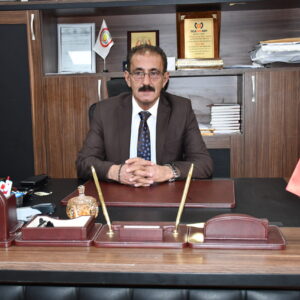
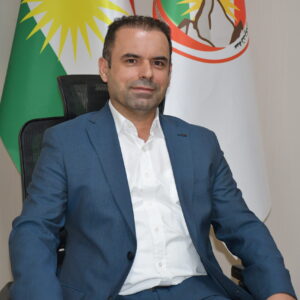
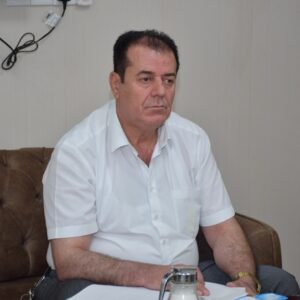
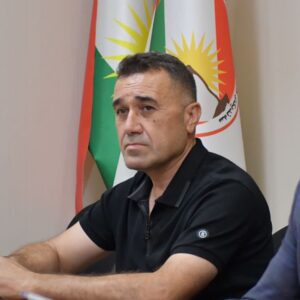
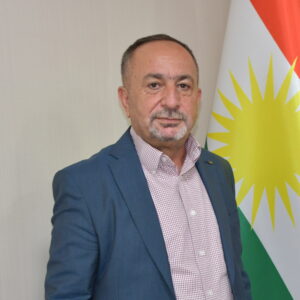
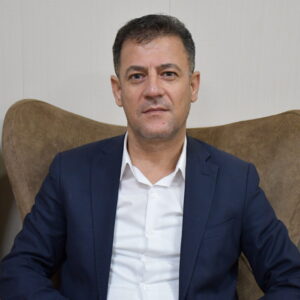
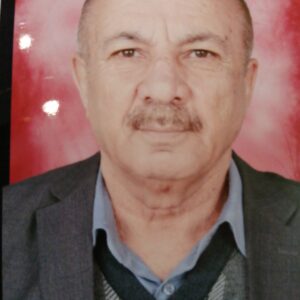
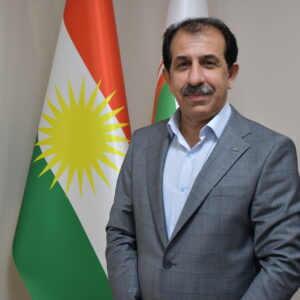
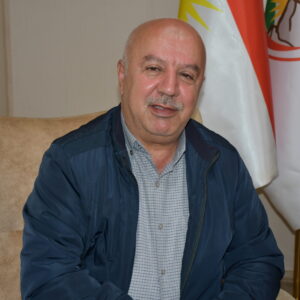
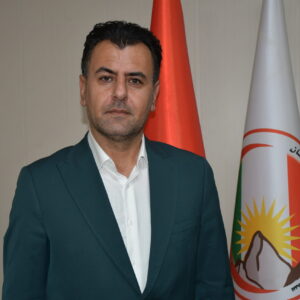
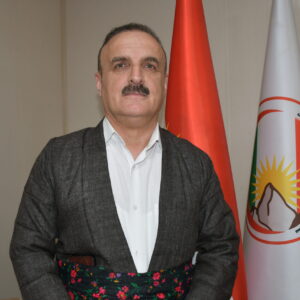
High Committee:

Jabbar Mohammed Raheem

Naqeeb

Isa Khano Tahir

Deputy Naqeeb

Hawar Hasan Qadir

Head of Administration

Ibrahim Islam Muhammad

Head of Finance

Shamal Ahmad Muhammad

Head of Media and Public Relations

Hemn Muhammad Yasin

Head of Statistics

Anwar Ali Salih

Head of Committees

Hasan Mahmood Hussein

Specialist Committee

Bahauddin Muhammad

Member of the High Committee

Abdulrahman Hamed Ali

Head of Communications

Hadi Fariq Qaraman

Member of the High Committee

National Objectives:

  • The syndicate, alongside the people of Iraqi Kurdistan, strives to strengthen the democratic federal governance system in Iraq.
  • It works for the implementation of the Universal Declaration of Human Rights.
  • It participates in and supports the people of Kurdistan in achieving their national and civil rights.
  • It contributes to the reconstruction and development of Kurdistan and the protection of the environment.
  • It stands firmly against all forms of violence and cruelty toward families.
  • It gives importance to public health and self-care.
  • It prioritizes the health of children, the elderly, and people with special needs.
  • It upholds national, ethnic, and religious unity and harmony within Kurdistan and Federal Iraq.
  • It prohibits political activity within the syndicate.

Professional Objectives:

  • To unify and preserve the identity of health employees and eliminate all forms of discrimination against their rights.
  • To establish a unified legal framework in the professional field of health employees.
  • To strive for reforming the health system and creating a unified and advanced system that guarantees the rights of both health employees and citizens.
  • To improve the living standards of health employees through increasing salaries, providing special and diverse allowances, offering housing, and granting additional pay for working on Fridays, holidays, and overtime.
  • Any questioning or investigation of health employees must be conducted only through the responsible department within their workplace.
  • To organize the work of health employees in both public and private sectors.
  • To ensure participation in administrative authorities through:
    the establishment of a special general directorate for the affairs of health professionals within the Ministry of Health,
    and the inclusion of health employees in administrative positions such as director general, assistant director, and manager.
  • To establish 24-hour emergency departments in health centers.
  • To provide health and social insurance for health employees.
  • To support health employees in pursuing scientific and academic studies.
  • To participate and work toward representing health employees in national, provincial, and municipal councils.
  • To raise the scientific and professional level of health employees through continuous training,
    establishing an evening nursing college,
    creating a private college for health professions,
    providing study opportunities in medical science colleges,
    and accepting students in technical health institutes according to needs and standards.
  • To cooperate with professional health organizations.
  • To standardize the ranking law of health employees.
  • To raise the basic salaries of employees.
  • To appoint new health employees annually after graduation in coordination with the central government system.

Halabja

Duhok

Sulaimaniyah

Erbil

Garmian

Zakho

Akre

Soran

Raparin